If you’re an RV enthusiast, then you know the importance of having good tires. After all, your safety and the safety of your passengers depend on them! In this blog post, we will discuss the best RV tires for safe and smooth travels.
We’ll cover a variety of different types of tires so that you can find the perfect set for your needs. Stay safe on your next road trip by choosing the right tires!
IN THIS ARTICLE
COMPARE PRODUCTS
1 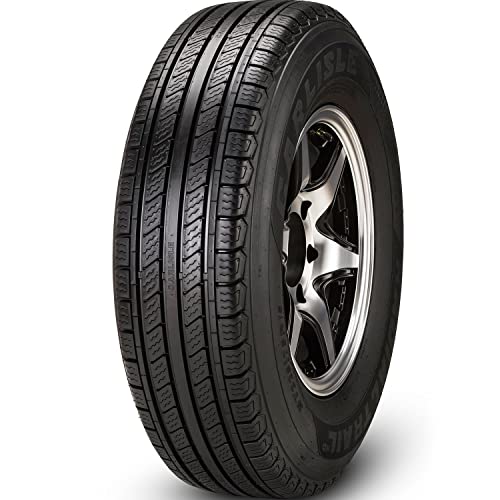 | SCORE: 8.6 Brand: Carlisle  | |
2 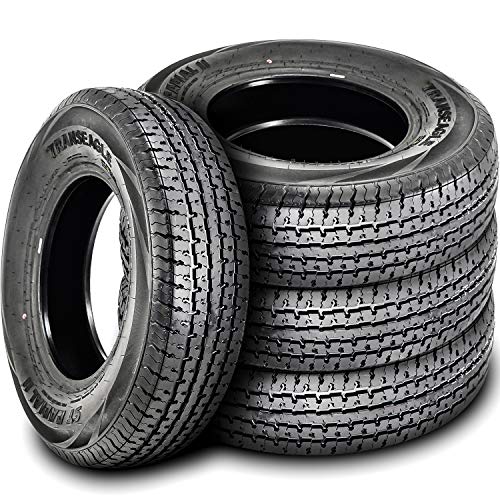 | SCORE: 8.4 Brand: BTranseagle | |
3 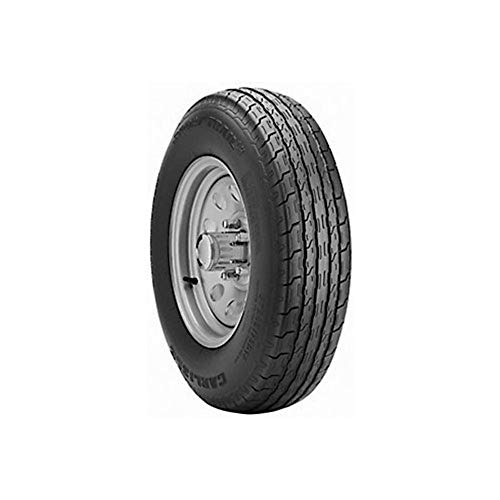 | SCORE: 8.0 Brand: Carlisle | |
4  | SCORE: 7.6 Brand: Maxxis | |
5 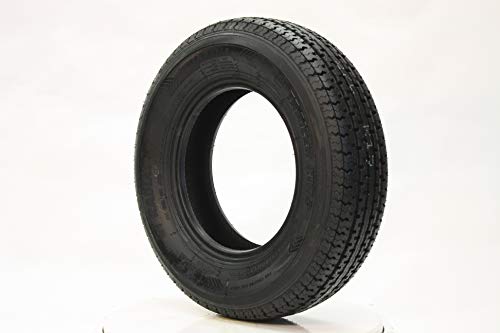 | SCORE: 9.2 Brand: Trailer King |
Buying Guide
Sidewall Strength
The sidewall is the part of the tire that helps support the weight of the vehicle. It’s important to have a strong sidewall on your RV tires so that they can withstand the heavy weight of your RV. There are a few things to look for when you’re choosing RV tires with strong sidewalls:
- Tires that are rated for load range E or higher are typically the strongest and can handle the heaviest loads.
- Tires that have a ply rating of 14 or higher are also typically very strong and can handle heavy loads.
- If you’re looking for extra sidewall strength, you might want to consider tires that are designed specifically for RVs. These tires usually have reinforced sidewalls that can provide extra support.
Load Rating and Maximum Weight Capacity
One of the most important factors to consider when shopping for RV tires is the load rating. The load rating is a measure of how much weight the tire can safely carry. Most RVs have a maximum weight capacity that cannot be exceeded. It is important to make sure that the tires you select have a load rating that meets or exceeds the maximum weight capacity of your RV.
Another important factor to consider is the maximum inflation pressure. The maximum inflation pressure is the highest amount of air pressure that can be safely added to the tire. Overinflating a tire can cause it to burst, which can lead to serious injury or death. It is important to make sure that you do not exceed the maximum inflation pressure when inflating your RV tires.
Class and Type
There are many different types and sizes of RVs, so there is no single tire that can be called the best. The best tires for your RV will depend on the class and type of vehicle you have. For example, a Class A motorhome will require different tires than a travel trailer. The first step in finding the best RV tires is to know what type and size of vehicle you have. Once you have that information, you can start looking at tire options.
There are three main types of RV tires: passenger car tires, light truck tires, and trailer tires. Passenger car tires are the most common type of tire used on RVs. They’re designed for everyday driving on paved roads and provide a comfortable ride. Light truck tires are designed for occasional off-road use and provide better traction than passenger car tires. They’re a good choice if you plan to do any boondocking or dry camping.
Trailer tires are designed specifically for use on trailers. They’re not meant to be used on RVs that are driven on the road. Trailer tires are available in both bias and radial designs. Once you know what type of tire you need, you can start comparing brands. There are many different brands of RV tires on the market, so it’s important to do your research before making a purchase.
The Trip’s Route
No matter what kind of tires you have on your RV, they won’t do you much good if you don’t know where you’re going. Before each trip, be sure to map out your route and plan for any potential hazards along the way. This will help you avoid any unexpected surprises and keep your travels smooth and safe.
If you’re not sure where to start, there are plenty of resources available online to help you plan the perfect RV trip. Once you have a general idea of where you’re going, be sure to check out the specific route for any construction or other delays that could impact your travel plans.
Size and Load Rating:
The first step is to determine the size of tire you need based on the make and model of your RV. Once you have that information, you can then select a tire with the appropriate load rating.
Most RVs require a load range C tire, which can carry up to 2722 pounds. If you have a larger RV or one that’s carrying a heavy load, you’ll need a load range D tire, which can carry up to 3520 pounds. There are also specialty tires available for RVs that are designed for different purposes, such as all-terrain tires or those that provide a smoother ride.
FAQs
1. What kind of tires should I put on my RV?
The best RV tires are those that fit your specific type of RV and driving habits. There are many different types and brands of RV tires on the market, so it’s important to do your research to find the right ones for you.
2. Who makes the best motorhome tire?
The answer to that question is not as simple as it may seem. There are a variety of factors to consider when purchasing tires for your recreational vehicle. In this blog post, we will discuss the best RV tires for safe and smooth travels.
There are a few things to keep in mind when shopping for RV tires:
- First, you will want to make sure that the tires you purchase are rated for the weight of your RV.
- Second, you will want to consider the terrain on which you will be traveling. If you plan on doing a lot of off-roading, then you will need to purchase tires that are designed for that purpose.
- Third, you will want to think about the climate in which you will be traveling. If you plan on spending a lot of time in cold weather, then you will need to purchase tires that are designed for that purpose.
Now that we have discussed some of the factors to consider when purchasing RV tires, let us take a look at some of the best options on the market.
3. What is the average life of an RV tire?
RV tires typically have a lifespan of around three to five years. However, this can vary depending on how often you use your RV and the conditions in which you store it. It’s important to regularly inspect your RV tires for signs of wear and tear and to replace them when necessary.
4. How often should you replace tires on an RV?
The answer to this question depends on many factors, such as how often you use your RV, the type of roads you typically travel, and the weight of your RV. However, most experts recommend replacing tires every five to seven years.
If you are planning to do a lot of traveling in your RV, or if you will be driving on rough roads, you may need to replace your tires more often. It is also a good idea to check your tires regularly for signs of wear and tear, such as cracks or bald spots.
Final Thoughts
After reading this guide, you should feel confident in your ability to choose the best RV tires for your travels. Remember to always consult with a professional if you have any questions or concerns. Happy trails!
Remember that no matter what type of RV tires you choose, it is always important to consult with a professional before making any final decisions.