If you’re in the market for a new RV air conditioner, then you’ve come to the right place! In this blog post, we will discuss everything you need to know when shopping for an AC unit for your recreational vehicle. We’ll go over the different types of ACs available and help you decide which one is best for your needs.
So whether you’re looking for a portable AC to take on camping trips or a rooftop unit to keep your whole rig cool, we’ve got you covered!
IN THIS ARTICLE
COMPARE PRODUCTS
1  | SCORE: 8.6 Brand: Pontuss  | |
2  | SCORE: 8.4 Brand: B&W Trailer | |
3  | SCORE: 8.0 Brand: Hopkins | |
4  | SCORE: 7.6 Brand: B&W Trailer | |
5 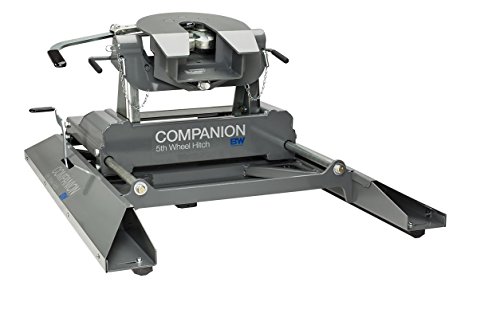 | SCORE: 9.2 Brand: B&W Trailer | |
6  | SCORE: 8.2 Brand: B&W Trailer | |
7 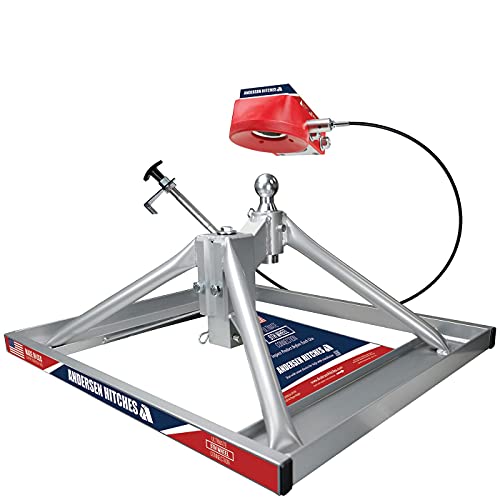 | SCORE: 9.2 Brand: ANDERSEN |
Buying Guide
Performance
Energy efficiency is the two most important factors when choosing an RV air conditioner.
The first thing you need to do is determine the size of the air conditioner that you need. The size of the unit will be determined by the number of BTUs that it produces. The higher the BTUs, the larger the space that it can cool.
Next, you need to decide what type of air conditioner you want. There are two types of RV air conditioners: rooftop and ducted. Rooftop units are the most popular because they are less expensive and easier to install. Ducted units are more expensive but they offer better cooling power.
British Thermal Units
The (BTUs) measures the power of an air conditioner. The higher the BTU, the more powerful the unit. Most RVs come with a 13,500 BTU air conditioner, which is adequate for cooling a small space. However, if you have a larger RV or one that gets hot in the summer months, you may want to consider a higher BTU unit.
Energy Efficiency
Another important consideration when choosing an RV air conditioner is energy efficiency. The most energy-efficient models are those that have a high Seasonal Energy Efficiency Ratio (SEER). The SEER measures the amount of energy an air conditioner uses to cool a space over the course of a season. The higher the SEER, the more efficient the unit.
Cost
Of course, the cost is also a factor to consider when choosing an RV air conditioner. Higher-BTU units will typically be more expensive than lower-BTU units. However, you may be able to save money in the long run by choosing an energy-efficient unit.
Installation
Finally, you’ll need to consider the installation process when choosing an RV air conditioner. Some units are designed for easy installation, while others may require more work. If you’re not comfortable with performing the installation yourself, you may want to choose a unit that comes with everything you need for a successful installation. With these factors in mind, you’re sure to find the best RV air conditioner for your needs.
Price
It is certainly a consideration when it comes to purchasing an RV air conditioner. But, there are other factors that you need to take into account as well. The following is a list of the most important things to look for when choosing an RV air conditioner.
FAQs
1. How many BTUs do I need to cool my RV?
The size of your RV will dictate how many BTUs you need to cool it. A rule of thumb is that you need one BTU for every square foot of space. So, if your RV is 200 square feet, you would need a 200 BTU air conditioner.
Another factor to consider is the insulation of your RV. If your RV is well-insulated, you won’t need as many BTUs to cool it. Conversely, if your RV is not well-insulated, you’ll need more BTUs to cool it.
Finally, consider the climate in which you’ll be using your RV. If you’re in a hot climate, you’ll need more BTUs than if you’re in a cooler climate. A good rule of thumb is to buy an air conditioner with at least 30% more BTUs than you think you need. That way, you’ll be sure to have enough power to cool your RV, no matter the conditions.
2. How reliable are RV air conditioners?
One of the most important factors to consider when purchasing an RV air conditioner is reliability. No one wants to be stuck in the middle of a hot summer day with a broken-down AC unit. Do your research and read online reviews to get a sense of which brands and models are known for being reliable.
Another key factor to consider is the size of the unit. RV air conditioners come in a variety of sizes, so you’ll want to make sure you get one that’s appropriately sized for your RV. If you get a unit that’s too small, it won’t be able to effectively cool your RV. On the other hand, if you get a unit that’s too large, it will use more energy and be less efficient.
Finally, you’ll also want to think about the features you want in an RV air conditioner. Some units come with built-in thermostats, while others have remote controls. Some units are even designed to be used with solar panels. Consider your needs and choose a unit that has the features you’re looking for.
Final Thoughts
There are a lot of great RV air conditioners on the market, but the one that really stands out is the Dometic Brisk II. It’s a top-of-the-line model that offers great features and performance. If you’re looking for the best RV air conditioner, the Dometic Brisk II is the way to go.