Buying Guide
Pros:
- Spacious interiors for family comfort.
- Diverse floor plans to suit various needs.
- Amenities like kitchens and bathrooms for convenience.
- Enhanced bonding through shared travel experiences.
- Flexibility to explore diverse destinations.
Cons:
- Initial cost and ongoing maintenance expenses.
- Size can be challenging to navigate in certain areas.
- Limited fuel efficiency compared to smaller vehicles.
- Storage may be a concern for compact RVs.
- Learning curve for new RV owners.
Size and Layout:
Consider the size and layout of the RV to ensure it aligns with your family's needs. Look for ample sleeping areas, storage space, and a layout that promotes comfort and convenience during travel. Evaluate if the RV provides designated spaces for various activities and if it can accommodate the number of people in your family comfortably.
Amenities:
Assess the amenities offered by the RV. Check for a fully-equipped kitchen, a bathroom with sufficient facilities, and entertainment options. A family-friendly RV should enhance your travel experience, providing the comforts of home on the road. Look for features like slide-outs, awnings, and outdoor living spaces that can add to the overall enjoyment of your family trips.
Budget:
Establish a realistic budget that encompasses both the initial purchase price and ongoing costs. Factor in maintenance, fuel, insurance, and potential campground fees. While it's tempting to focus solely on the purchase price, understanding the long-term financial commitment is crucial for ensuring that your family RV adventures remain enjoyable without straining your finances.
RV Type:
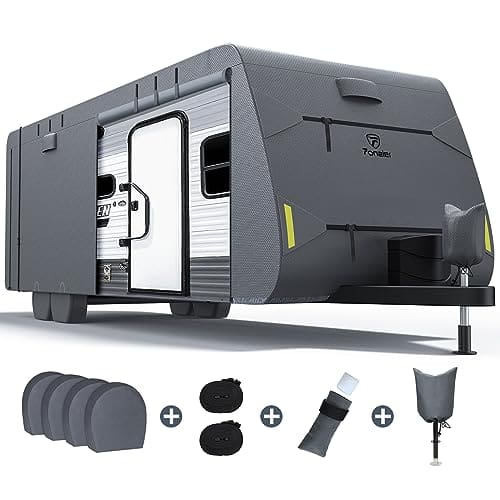
Determine the most suitable RV type for your family's needs. Class A motorhomes offer spacious luxury, Class B campervans are compact and maneuverable, and Class C motorhomes provide a balance between size and amenities. Travel trailers offer a towable option with various sizes and floor plans. Consider your family's travel preferences, the level of self-sufficiency you desire, and your comfort with driving and maintaining different RV types.
Reviews and Ratings:
Research customer reviews and ratings for the specific RV models you are considering. Real-world experiences from other families can provide valuable insights into the pros and cons of each camper. Look for feedback on durability, customer service, and how well the RV accommodates families.
FAQs
What features make an RV family-friendly?
Family-friendly RVs typically have spacious interiors, multiple sleeping areas, and amenities like kitchens and bathrooms to accommodate everyone comfortably.
Are there RVs suitable for large families?
Yes, many RVs are designed with large families in mind, offering bunk beds, convertible dinettes, and ample storage space.
How do I choose the right size of an RV for my family?
Consider the number of family members, your travel preferences, and the level of comfort you desire. Larger families may benefit from Class A or Class C RVs, while smaller families might find Class B or travel trailers suitable.
Final Thoughts
Choosing the best family RV camper involves considering various factors to ensure a smooth and enjoyable travel experience. By understanding your family's needs and preferences, you can make an informed decision that enhances your adventures on the road.