Going on a road trip is a great way to see the country, but it can also be a great way to go green! If you’re looking for an eco-friendly way to travel, consider using a composting toilet in your RV. Not only will you help reduce your carbon footprint, but you’ll also save money on wastewater disposal fees.
In this blog post, we will discuss the benefits of using a composting toilet while traveling and provide some tips for installing one in your RV.
IN THIS ARTICLE
COMPARE PRODUCTS
1  | SCORE: 8.6 Brand: Camco  | |
2 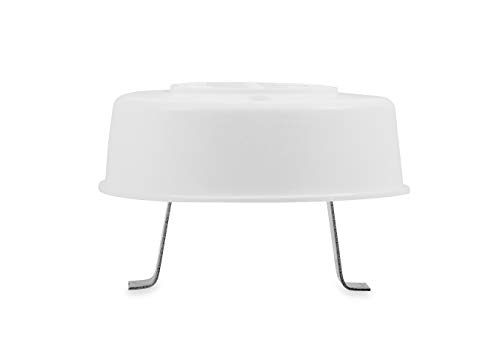 | SCORE: 8.4 Brand: Camco | |
3  | SCORE: 8.0 Brand: Waterproof | |
4 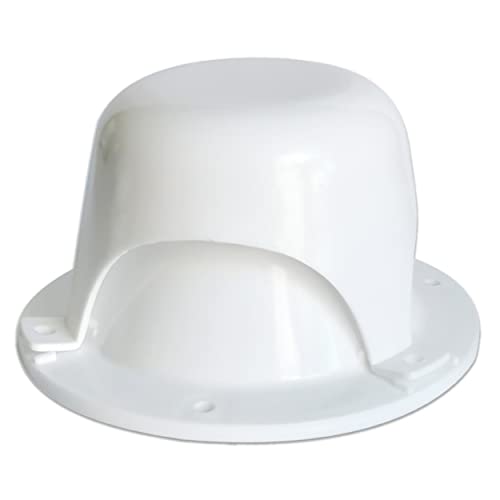 | SCORE: 7.6 Brand: NU-SET | |
5 | SCORE: 9.2 Brand: B&W Trailer | |
6  | SCORE: 8.2 Brand: wadoy | |
7  | SCORE: 9.2 Brand: VETOMILE |
Buying Guide
Eco-friendly
There are many benefits to using a composting toilet over a traditional one, including reducing water usage, minimizing odor, and cutting down on waste.
Composting toilets work by breaking down human waste into fertilizer, which can then be used to fertilize plants or gardens. They are easy to install and maintain, and there are a variety of models available to suit any RV.
Smells less
Composting toilets for RVs actually don’t smell bad at all! In fact, they often smell better than traditional RV toilets because the waste is broken down and doesn’t sit in water.
Doesn’t require chemicals or water to operate
Another great thing about composting toilets is that they don’t require any water or chemicals to operate. This means that you’ll save money on your RV’s water bill and you won’t have to worry about harming the environment with harsh chemicals.
Easy to install
Composting toilets are also easy to install, so you won’t have to hire a professional or spend hours trying to figure out how to set them up.
Perfect for off-grid living
If you’re looking for an eco-friendly way to live in your RV, then a composting toilet is the perfect solution. You’ll be able to live off the grid without harming the environment or breaking the bank. So what are you waiting for?
Save on Water and Energy
RV composting toilets are a great way to save on water and energy while you’re on the road. They use significantly less water than traditional toilets, and they don’t require any electricity to operate. This makes them an excellent choice for anyone who wants to reduce their environmental impact while still enjoying all the benefits of RV travel.
Capacity
The capacity of the RV composting toilet is important to consider. You want a toilet that can accommodate your needs, whether you are traveling solo or with a group. The size of the tank is also an important factor to consider. A larger tank will mean fewer stops to empty the waste, which is especially important if you are planning a long road trip.
Weight and Size
The Nature’s Head composting toilet is one of the lightest and smallest toilets on the market, weighing in at only 19 pounds. It’s also super easy to install, even for first-timers.
Durability
One of the best things about RV composting toilets is their durability. Unlike traditional toilets, which are made of porcelain and other fragile materials, composting toilets are built to last. They’re often made of tough plastic or metal, so they can withstand the bumps and jostles of life on the road.
Warranty
Nature’s Head comes with a two-year warranty.
Weighing in at only 19 pounds, the Nature’s Head self-contained composting toilet is the lightest weight RV toilet on the market. It is easy to install and requires no water or chemicals. The unit can be used in both hot and cold weather conditions. It is odorless and easy to clean.
The Nature’s Head composting toilet is the best way to go green on your next RV road trip! With a two-year warranty, it is a great investment for any RV owner. The light weight and easy installation make it the perfect addition to any rig. Most importantly, it is an environmentally friendly way to dispose of human waste. No more stinky black water tanks!
FAQs
1. What are the disadvantages of a composting toilet?
There are a few disadvantages to composting toilets. They can be more expensive than traditional toilets, and they require more maintenance. Additionally, some people find the idea of a composting toilet to be unappealing. However, these disadvantages are outweighed by the many benefits of composting toilets.
2. Do you flush a composting toilet?
The answer is simple: there is no need to flush a composting toilet. All you need to do is deposit your solid waste in the designated area of the toilet and then cover it with a layer of sawdust, peat moss, or other organic material. The natural decomposition process will take care of the rest!
There are many benefits to using a composting toilet in your RV. For one, it is a great way to reduce your impact on the environment. Traditional RV toilets require water for flushing, which can add up to a lot of wasted water over the course of a long road trip.
Composting toilets also save you money in the long run. Because you are not using water to flush your waste, you will not have to pay for water or sewage disposal fees. So, if you are looking for a way to go green on your next RV trip, consider investing in a composting toilet! You’ll be glad you did!
3. What is the best toilet for an RV?
There are many different types of toilets that can be used in an RV, but the best type of toilet for an RV is a composting toilet. Composting toilets are a great way to go green on your road trip, and they are also very easy to use.
Composting toilets work by separating solid and liquid waste. The solid waste is then broken down by bacteria and turned into compost. The liquid waste is stored in a separate container, which can be emptied when full. Composting toilets are very easy to use, and they don’t require any water or electricity to operate. They are also very low maintenance, and they don’t produce any odors.
4. How do you empty a composting toilet in an RV?
Composting toilets are easy to empty and maintain. The key is to keep the mix of materials in the toilet balanced. You can do this by adding more carbon-rich material, such as sawdust or peat moss, when you see that the mix is getting too wet. When the compost is ready to be emptied, it will look and smell like rich, dark soil.
To empty the compost, simply remove the lid of the toilet and use a small shovel to scoop out the compost. Be sure to wear gloves when handling the compost, as it may contain harmful bacteria. Once you have removed all the compost from the toilet, add more carbon-rich material to balance the mix and replace the lid.
Final Thoughts
If you’re looking for a way to be more eco-friendly on your next road trip, consider investing in an RV composting toilet. Not only will you be doing your part to reduce your environmental impact, but you’ll also save money on campground fees and have one less thing to worry about when nature calls. With so many benefits, it’s no wonder that more and more RVers are making the switch to composting toilets.