If you’re an RV owner, then you know how important it is to have a reliable propane detector. Propane is a flammable gas that can be very dangerous if it’s not handled properly. That’s why it’s so important to have a detector installed in your RV that will warn you of any potential dangers.
In this blog post, we will review 8 of the best RV propane detectors on the market and compare them side-by-side. We’ll also give you some tips on what to look for when shopping for a propane detector. So, whether you’re looking to buy your first detector or are just looking to upgrade, this blog post is for you!
IN THIS ARTICLE
COMPARE PRODUCTS
1 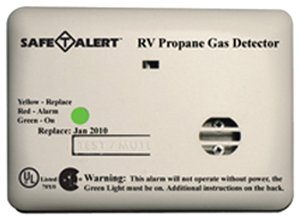 | SCORE: 8.6 Brand: MTI  | |
2  | SCORE: 8.4 Brand: WELLUCK | |
3 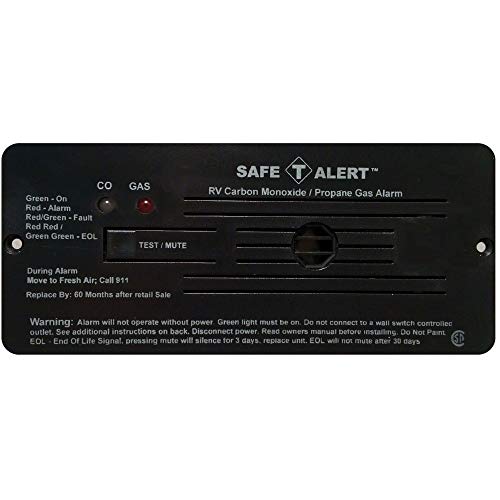 | SCORE: 8.0 Brand: Safe T | |
4  | SCORE: 7.6 Brand: Safe T | |
5  | SCORE: 9.2 Brand: Safe T | |
6 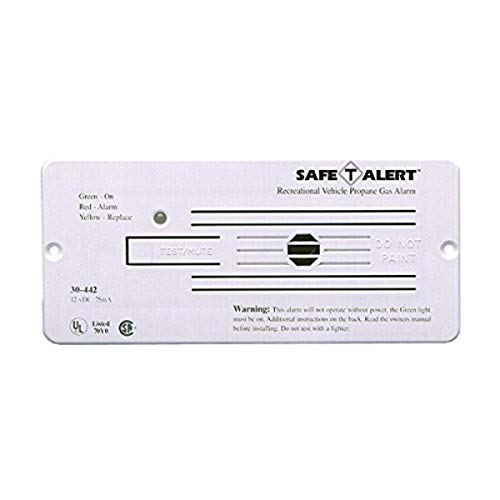 | SCORE: 8.2 Brand: MTI | |
7  | SCORE: 9.2 Brand: Funomo |
Buying Guide
Alarm Quality
The loudness of the alarm is important for two reasons. First, you need to be able to hear it if there’s a leak. Second, it needs to be loud enough to wake you up if there’s a leak while you’re sleeping.
Battery Life
Most propane detectors run on AA or AAA batteries, and the best ones will have a battery life of at least one year. Some detectors will come with a low-battery indicator, which is helpful so you know when it’s time to replace the batteries.
Warranty
When choosing a propane detector, it’s important to find one that comes with a good warranty.
This way, if there’s ever a problem with the detector, you can get it replaced or repaired without having to pay for it yourself.
Price
The price of an RV propane detector can vary depending on the brand and model. Some detectors are less expensive than others, but you’ll want to make sure that you’re getting a quality product. There are some very cheap options on the market, but they may not be as reliable as more expensive models.
Sensor Type
There are two types of sensors that are used in propane detectors, catalytic and semiconductor. Catalytic sensors work by detecting the amount of heat that is produced when propane is burned. This type of sensor is more accurate but also more expensive. Semiconductor sensors work by measuring the electrical conductivity of the air. This type of sensor is less expensive but not as accurate.
Infrared Sensors
If you want the best possible chance of detecting a propane leak, you need an RV propane detector with an infrared sensor. These sensors are able to detect even the smallest leaks and will send an alarm to alert you to the problem.
Alarm Systems
An RV propane detector with an alarm system is a must-have. The alarm will sound if there is a propane leak, so you can take action to fix the problem before it gets worse.
LED Display
An RV propane detector with an LED display is a great way to keep an eye on the propane level in your tank. The exhibition will show you how much propane is left, so you can make sure you don’t run out.
Battery Backup
A battery backup system is a must-have for any RV propane detector. This way, if the power goes out, the detector will still be able to function and keep you safe.
Easy to Use
You want an RV propane detector that is easy to use, so you can get it up and running quickly. A simple, user-friendly design is a must. These are just a few of the features you should look for in an RV propane detector. Make sure you choose one that has all of the features you need to keep your family safe.
Semiconductor Sensors
These sensors are made with a silicon wafer. They’re small, lightweight, and low-power devices that don’t require any warm-up time. Semiconductor sensors are the most popular type of propane detector.
FAQs
1. Do you really need a propane detector in an RV?
Yes, you should have a propane detector in your RV for safety reasons. Propane is a highly combustible gas, and if there’s a leak, it can be very dangerous. A propane detector will help alert you to any leaks so that you can take action to fix the problem and avoid potential danger.
2. Where should a propane detector be placed in an RV?
The best place to install a propane detector in your RV is near the sleeping area since propane is heavier than air and will sink to the lowest level in an enclosed space. If you have a gas stove or heater in your RV, it’s also a good idea to install a detector near those appliances.
3. How long do RV propane detectors last?
The average lifespan of an RV propane detector is about five years. However, detectors can last anywhere from two to seven years depending on the brand and model.
Final Thoughts
There are many propane detectors on the market, but not all of them are created equal. In this article, we’ve looked at eight of the best RV propane detectors and compared them side-by-side. We hope that this information has been helpful in your search for the perfect propane detector for your RV.