When you’re out on the open road, there’s nothing quite like the feeling of freedom that comes with hitting the open road in your RV. But with that freedom also comes a certain level of responsibility, and one of those responsibilities is making sure your RV is safe from carbon monoxide poisoning.
That’s why it’s important to have a good RV carbon monoxide detector installed in your vehicle. In this blog post, we’ll give you some tips on how to choose the best RV carbon monoxide detector for your needs.
IN THIS ARTICLE
COMPARE PRODUCTS
1 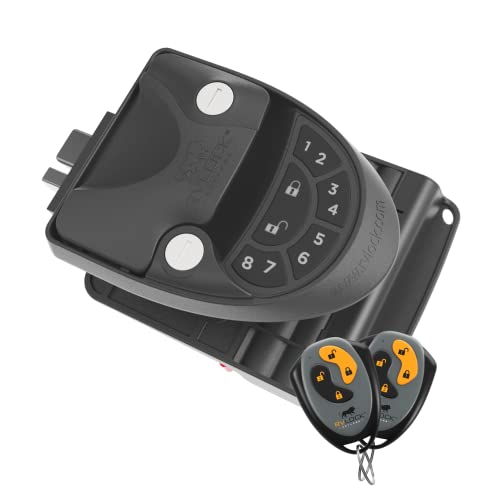 | SCORE: 8.6 Brand: RVLock  | |
2  | SCORE: 8.4 Brand: LATCH.IT | |
3  | SCORE: 8.0 Brand: RV Designer | |
4  | SCORE: 7.6 Brand: Nstarsmotor | |
5  | SCORE: 9.2 Brand: MKING | |
6 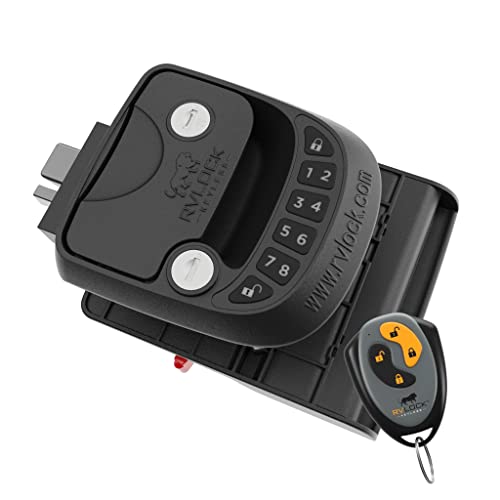 | SCORE: 8.2 Brand: RVLock | |
7 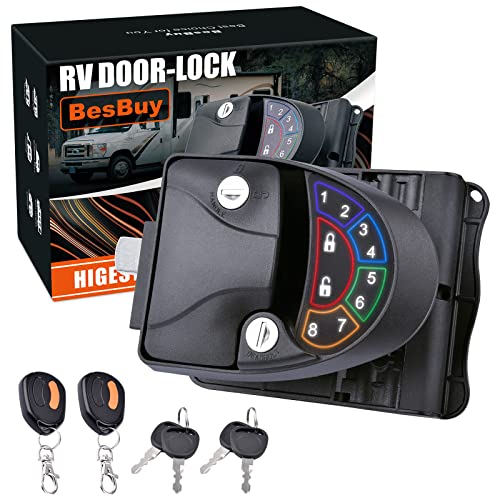 | SCORE: 9.2 Brand: BesBuy |
Buying Guide
Power Source
When choosing a carbon monoxide detector for your RV, you’ll want to consider the power source. Some detectors are powered by batteries while others are hardwired into your RV’s electrical system. If you choose a battery-powered detector, be sure to check the batteries regularly and replace them as needed. Hardwired detectors are more reliable, but they may be more difficult to install.
Digital Displays
One of the best features to look for when choosing a carbon monoxide detector is a digital display. This feature allows you to easily see the levels of carbon monoxide in your RV, and it will also alert you if the level gets too high. Another important feature to look for is an audible alarm. This feature will help you stay safe in your RV by alerting you to the presence of carbon monoxide.
You should also make sure that the carbon monoxide detector you choose is easy to install and use. Some detectors come with complicated instructions, so it is important to choose one that is easy to understand and follow. Finally, you should always test your carbon monoxide detector before using it in your RV. This will ensure that it is working properly and that you are aware of its capabilities.
Cost
It is always a consideration when making any purchase and finding the best RV carbon monoxide detector is no different. However, there are other factors that should be considered as well. Here are some quick tips for choosing the best RV carbon monoxide detector for your needs:
- First and foremost, you need to make sure that the detector you choose is UL (Underwriters Laboratories) certified. This means that the device has been tested and meets certain safety standards.
- Secondly, you’ll want to choose a carbon monoxide detector that is specifically designed for RVs. These devices are often more rugged and can withstand the rigors of travel.
- Finally, consider the size of the carbon monoxide detector. You’ll want to make sure that it’s not too large or too small for your RV.
Effectiveness
When it comes to choosing an RV carbon monoxide detector, you want to make sure that it is effective. You don’t want to choose a detector that is not going to work well and end up putting your family at risk. There are a few things that you can look for when you are trying to determine if a carbon monoxide detector is effective. First, you want to make sure that the detector has a loud alarm.
You don’t want to choose a detector that is not going to wake you up if there is carbon monoxide in the air. Second, you want to make sure that the detector has long battery life. You don’t want to choose a detector that is going to die after a few hours. Finally, you want to make sure that the detector is easy to use. You don’t want to choose a detector that is going to be difficult to install or use.
Lifespan
The battery is also an important factor to consider. Some models will have a lifespan of up to seven years, while others may only last for two years. You’ll want to choose a model with a long lifespan so that you don’t have to replace it as often.
Installation
It is critical for the proper function of any carbon monoxide detector. Be sure to follow the manufacturer’s instructions carefully when installing your unit. The ideal location for installation is near the sleeping area so that you can be alerted if there is a problem while you are asleep.
Another important consideration is battery life. Some detectors will have a battery life of up to seven years, while others will need to be replaced more frequently. Be sure to check the manufacturer’s recommendations so that you can plan for replacement batteries as needed.
Finally, consider the features that are important to you. Some units will have digital displays that show the level of carbon monoxide in the air, while others will simply sound an alarm when a dangerous level is detected. Choose the unit that best meets your needs and provides you with the peace of mind that comes from knowing you are protected against this potentially deadly gas.
FAQs
1. Do RVs need special carbon monoxide detectors?
Yes, RVs need special carbon monoxide detectors because they are more likely to be exposed to carbon monoxide. Carbon monoxide is a colorless and odorless gas that can be produced by generators, lanterns, stoves, and other fuel-burning appliances.
RV carbon monoxide detectors are different from regular detectors in a few ways. They are more sensitive to carbon monoxide and have a higher alarm limit. Additionally, they are designed to work with the RV’s ventilation system.
2. What are the symptoms of carbon monoxide poisoning?
The symptoms of carbon monoxide poisoning include headache, dizziness, nausea, shortness of breath, and fatigue. If you experience any of these symptoms, you should get fresh air immediately and call for medical help.
3. How can I prevent carbon monoxide poisoning in my RV?
There are a few things you can do to prevent carbon monoxide poisoning in your RV. First, make sure that all fuel-burning appliances are properly vented. Second, do not use generators or other fuel-burning appliances inside your RV. Finally, install a carbon monoxide detector in your RV and make sure to test it regularly.
4. How long are RV carbon monoxide detectors good for?
The average lifespan of an RV carbon monoxide detector is five years. However, it is important to check the manufacturer’s instructions to be sure. Some models may need to be replaced sooner.
Final Thoughts
We hope you enjoyed our quick tips on choosing the best RV carbon monoxide detector. If you have any questions or comments, please feel free to leave them below. As always, happy travels!